GEORGE MORL
💪 WORK 📙 FILES
🌍 NEWS 🔬 ABOUT
😲 CV 😗 CONTACT
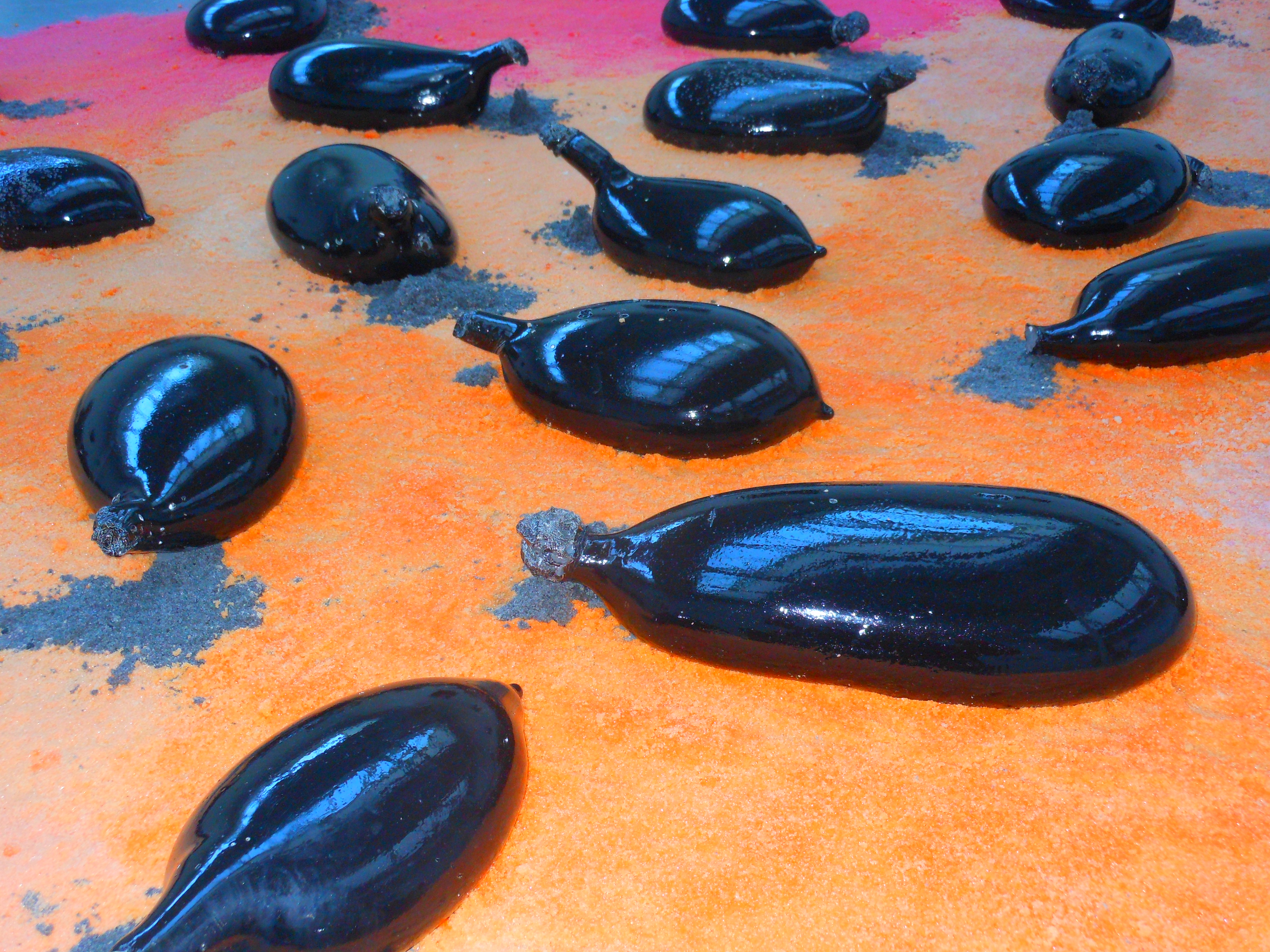
Precious Boys
2016
WORK
Precious Boys
DATE
2016
MEDIUM
Plaster, exterior paint, alum salt, sugar, pigments
DIMENSIONS
Variable
COLLECTION
Artist
Precious Boys
DATE
2016
MEDIUM
Plaster, exterior paint, alum salt, sugar, pigments
DIMENSIONS
Variable
COLLECTION
Artist
︎ Summary
‘Precious Boys’ (2016), is a series of sculptures that examines the effects of post-industrial and coastal landscapes on young men, particularly in relation to gender roles, isolation, and adolescence. The work pays homage to the romanticised portrayals of youth found in Francisco de Goya’s small paintings of boys picking fruit and blowing up sheep bladders. Echoing these organic, playful forms, the sculptures are made from plaster casts of medical consumables. In contrast to Goya’s depiction of innocence and curiosity, the work reflects contemporary adolescent experiences shaped by body-image anxiety, sexuality, emotional vulnerability, and societal pressure—forces that can isolate individuals from wider communities.
This narrative is also informed by William Blake’s Songs of Innocence and Experience, particularly the poems “Cradle Song,” “Infant Sorrow,” and “The Little Boy Lost,” which explore themes of vulnerability, loss, and the transition from childhood to adulthood.
Growing up in rural South Essex—among wheat and rape seed fields, abandoned wartime pillboxes, and brutalist New Town architecture—Morl explores how post-industrial society has reshaped labour, community, and identity. Similar to post-industrial cities in the North East such as Tyne and Wear, or in the South East like Basildon, which developed as part of 1950s social housing reform to address wartime displacement, the changing economy of the 1980s disrupted traditional male roles. The result has been the rise of an ornamental culture of masculinity, where beauty services, gyms, barbers, and cosmetic procedures for men are now common.
This shift has also driven an increase in steroid use, often purchased online and circulated through social media. Using search-trend data, Morl tracked the frequency of terms such as “protein” and “steroid” and found higher prevalence in coastal towns, post-industrial towns, and London—especially among younger men. Under the pressure to achieve idealised bodies, many men conceal steroid use and digitally edit their torsos, intensifying anxiety and sometimes leading to tragic outcomes, including suicide.
Precious Boys presents a personal, autistic imagined reflectioin of this effect. The installation consists of gloss-coated plaster sculptures resting on a mass of pigmented salt and sugars. The solutions used in the process, including alum salts, reference both Victorian children’s medicines and modern HIV treatments. The overall effect is simultaneously visually alluring and unsettling, creating a contemporary vigil or nursery rhyme that tells the story of young men seeking affection while living with emotional pain and mental illness.
This work was the artist’s early degree show version which began the series. Displayed en masse, they mimic body parts, and echo death, and are decorated with industrial materials, referencing the aesthetics and histories of post-industrial towns, places where suicide rates of young men are highest.
︎ Further Reading
Platform Focus, Contemporary Visual Art Network, 30 April 2019
Platform Award Alumni Stories: George Morl, CVAN, 13 May 2019
George Morl, Precious Boys, Southend Museum Blog, 20 July 2018
Morl George, George Morl’s Precious Boys at Southend Museum, CVAN South East, 10 July 2018
Graduates Work Selected for Turner Contemporary, uca.ac.uk, 20 September 2016
︎ Exhibitions
Platform 2016, Turner Contemporary, 04 August - 25 September 2016
UCA Degree Show, Herbert Read Gallery, June 2016
︎ Assosiated Awards
Darren Henley Scholarship, 2016
Platform Award, 2016, Nominated
UCA Vice Chancellor Award, 2016